

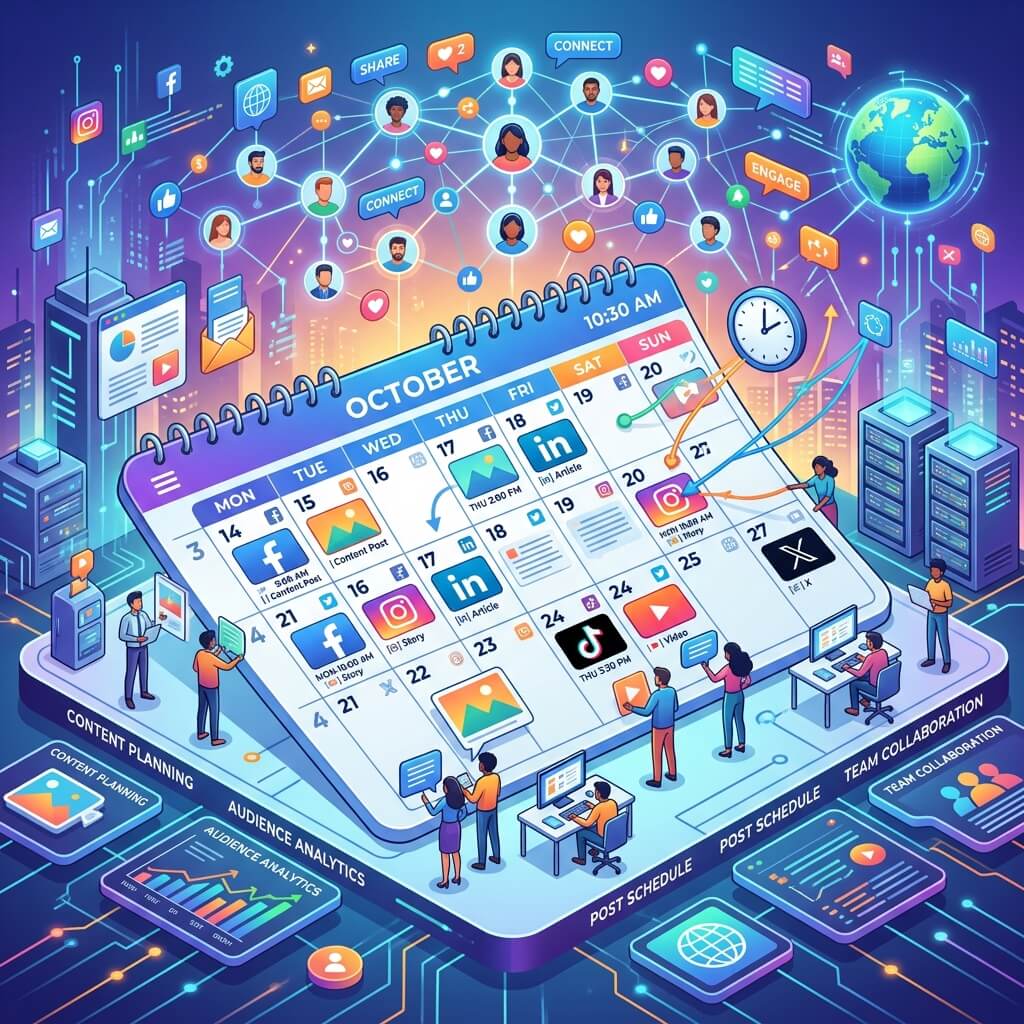
Social media continues to be the arena where brands connect most directly and organically with their target audiences in 2026. However, platform algorithms, content formats, and user expectations are constantly changing. Simply posting isn't enough; without a strategic, consistent, and data-driven approach, organic growth is now far more difficult. In this guide, we walk through the social media management strategies that will increase your brand awareness in 2026.
Platform-Based Strategy: Instagram, TikTok, LinkedIn and X
Every platform has a different audience, a different content language, and a different algorithm. There's no one-size-fits-all strategy; developing a platform-specific approach is a prerequisite for success.
Instagram: Visual aesthetics and storytelling remain central. Reels continues to be the strongest lever for organic reach on the Explore page. Carousel posts generate strong engagement through saves and shares. Target audience: ideal for visual-focused, consumer and B2C brands.
TikTok: The algorithm prioritizes content quality and watch time over follower count. Authenticity and entertainment are front and center. Even small accounts can reach wide audiences with viral content. A critical platform for B2C brands and anyone looking to reach younger audiences.
LinkedIn: The heart of B2B communication and thought leadership. Industry insights, company culture, and expertise sharing are the content types that generate the most engagement. In 2026, LinkedIn video content and newsletter features are increasing organic reach.
X (formerly Twitter): Powerful for real-time discussions, trending topics, and direct community engagement. Still a valuable channel for brands that want to clearly establish their voice and perspective.
Just posting on social media is not enough; you need to tell your brand's story with a consistent voice.
Building a Content Calendar and Batch Production
Consistency is one of the fundamental conditions for organic growth on social media. Accounts that post irregularly are shown less by the algorithm; followers forget about you. A content calendar systematically solves this problem.
Components of an effective content calendar:
- Platform-specific posting frequency: 4-5 posts per week for Instagram, daily for TikTok, 3-4 posts per week for LinkedIn
- Content categories: educational, entertaining, inspirational, promotional — the 80/20 rule (value-driven/promotional)
- Advance planning for important dates and campaign periods
- Appropriate format for each platform: Reels, carousel, story, text post, video
The batch production method radically streamlines the content production process. Dedicate one day per week to producing all your content in bulk — prepare photos, videos, text, and graphics in the same session. Then use a scheduling tool (Buffer, Later, Hootsuite) to automatically publish the entire week's content. This approach gains you both time and content consistency.
Video Content Production: Reels and TikTok Tips
Video content is the undisputed dominant format on social media in 2026. Meta's algorithm gives Reels clear priority in organic reach; TikTok's entire infrastructure is built on video. Producing video content is no longer an option — it's a necessity.
Tips for high-performing short video:
- The first 3 seconds are decisive: Start with a strong hook to break the scrolling habit — a question, a striking statement, or a visual surprise
- Use captions: A significant portion of users watch videos on mute; captions increase accessibility and completion rates
- Vertical format (9:16): The only format aligned with the mobile user experience
- Trending sounds and music: Platform algorithms organically show content using trending sounds to wider audiences
- Value + entertainment balance: Content that delivers both information and entertainment gets shared the most
- Regular posting: The TikTok algorithm rewards active content creators; 1-2 posts per day is ideal
Large production budgets aren't needed. A smartphone, good lighting, and a clear message are enough to produce professional-level video content. Authenticity takes precedence over production quality.
Community Management, Influencer Marketing and UGC
Social media management is not just about producing content; building and managing a community is also a critical component. Responding to comments, managing DMs, having genuine dialogue with followers — these are both algorithmic signals and the cornerstones of brand loyalty.
Influencer marketing in 2026 is shifting toward micro and nano influencers (1K-50K followers). Smaller accounts with niche, trusted communities offer higher engagement and conversion rates compared to mega influencers with millions of followers. When selecting influencers, focus on engagement rate and audience alignment rather than follower count.
UGC (User Generated Content) is one of the most powerful social proof tools brands can use. Photos and videos taken by customers while using your product or service both reduce content production costs and build trust with potential customers. Ways to encourage UGC:
- Run branded hashtag campaigns
- Thank customers by reposting their content and reward the community
- Support UGC production through gamification with contests and giveaways
- Request customer testimonials in video format and share them
Analytics and Performance Measurement
Social media management without data is based on guesswork. Regularly measuring the performance of every post, every campaign, and every platform is the only way to understand what works, what doesn't, and to continuously improve your strategy.
Key metrics to track:
- Reach: How many unique users your content reached
- Engagement Rate: The ratio of likes, comments, saves, and shares to total reach
- Follower growth: Organic growth rate and where that growth is coming from
- Video completion rate: How much of the video viewers watched — the most honest indicator of content quality
- Link clicks and website traffic: Social media's contribution to the conversion funnel
- Best posting times: When your target audience is most active — varies by platform and audience
Create monthly performance reports, make cross-channel comparisons, and update your content strategy in light of the data. Social media management is a marathon; long-term trends are what matter, not short-term fluctuations.

